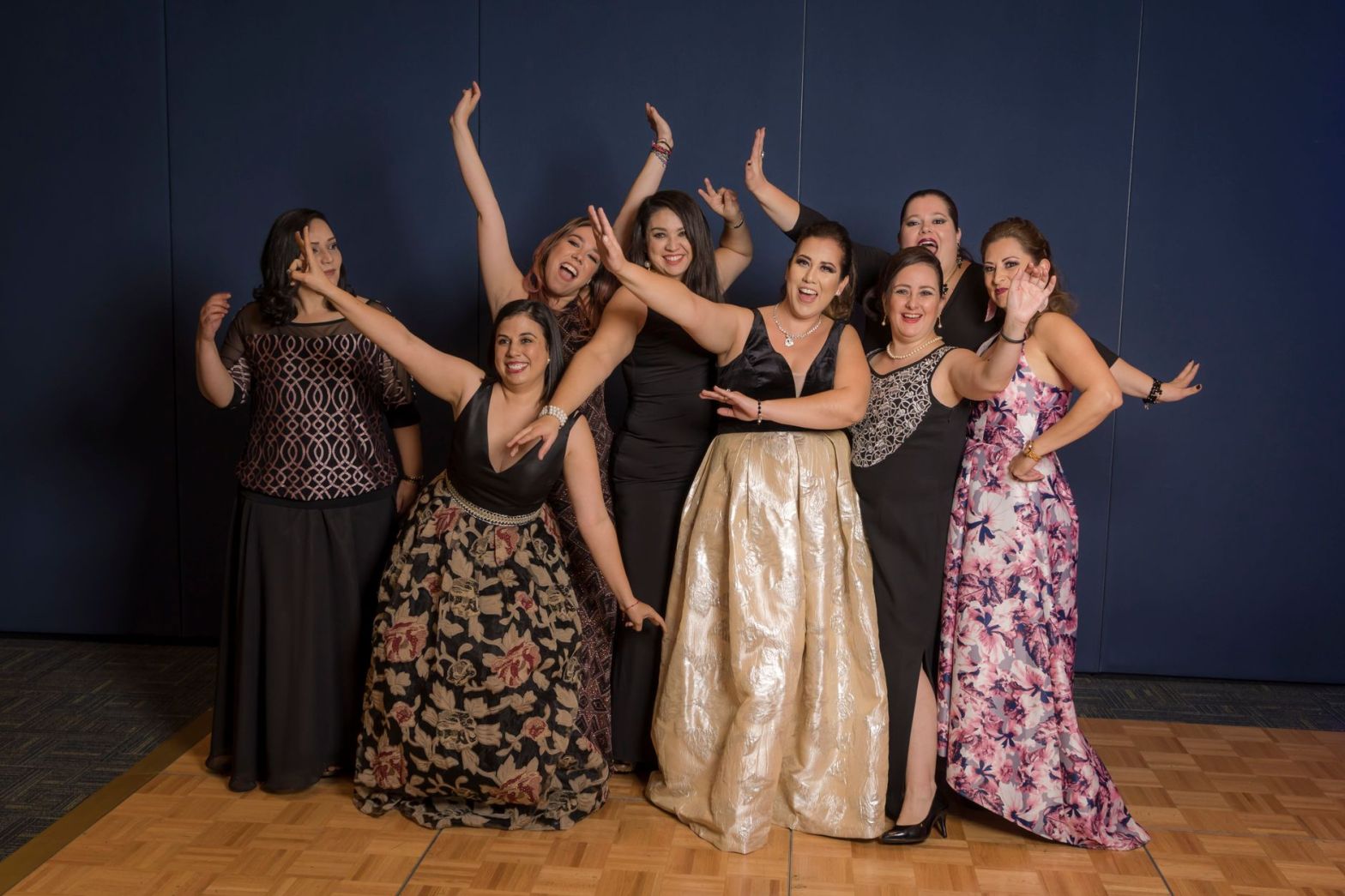
Your gala is a huge fundraising tool. It costs a lot of money, and it should be bring in solid ROI.
But what happens after the gala?
The next step is often a thank-you email and a return to normal work. That leaves a valuable opportunity on the table.
Your event should not be the end of a conversation with supporters. It should be the start of one.
A strong nonprofit event follow-up plan helps you thank donors, build trust, deepen relationships, and give attendees a reason to stay involved for the long haul.
Here’s how to do that without adding another major project to your workload.
1. Follow up while the event is still fresh
Send out a genuine thank-you within a few days. Thank people for attending, giving, sponsoring, volunteering, or bringing a guest. Each contribution is important. You know that.
Make the message personal when you can.
A first-time attendee may need a simple introduction to your work. A longtime donor may appreciate an update on a program they already support. A sponsor may want to know how their support helped the event succeed.
Don’t send everyone the same generic message.
Try this: Divide your attendee list into three groups: donors, people who attended but did not give, and sponsors or partners. Each group should then get its own message.
You don’t need a complicated marketing system. A spreadsheet and a few well-written emails will do.
2. Show people what their support makes possible
People should leave your event understanding what that money can help accomplish.
Share a short update about the need you are addressing, the people you serve, or the next step toward your mission.
Be specific. Instead of saying, “Your support makes a difference,” explain what the funds will help your organization do.
Promise outcomes you can support with facts. If a program is still being planned, explain what happens.
Trust influences giving.
BBB Wise Giving Alliance reported that 67.7 percent of adults said trust in a charity was essential before donating. Only 18.3 percent reported high trust in charities.
That’s a huge gap, and nonprofits should clearly communicate their work and impact.
3. Give attendees a reason to stay connected
Not everyone who attends your gala is ready to make another donation.
Offer useful ways to stay involved.
Invite attendees to:
- Subscribe to a short monthly impact update
- Visit a program or attend an upcoming community event
- Share an important story with friends or colleagues
- Volunteer or learn more about a specific program
- Follow your organization’s work on social media
Give people a next step that fits their interests.
The goal is to build a relationship, not simply add another name to your mailing list.
4. Turn one event into several weeks of useful content
Your event likely oodles of valuable material. Photos, interviews, audience reactions, and stories about the people behind your mission.
Use them to keep the conversation going.
You could create:
Week one: Share a thank-you post with event highlights.
Week two: Publish a short story about a program participant. Get appropriate consent, of course.
Week three: Send supporters an update about the need the fundraiser addressed.
Week four: Share a progress update, a sponsor thank-you, or an invitation to get involved.
A short video featuring a staff member or program participant helps supporters connect with the mission. Short clips can be shared in email, on social media, and on relevant website pages.
5. Measure what happens after the event
Ticket sales and money raised matter. But they don’t tell the whole story.
Track a few additional measures:
- How many attendees made a first donation?
- How many first-time donors gave again within the next several months?
- How many attendees signed up for updates or volunteered?
- How many sponsors expressed interest in working with you again?
- Which follow-up messages led to donations, replies, or other meaningful actions?
Compare results with previous events. Give donors enough time to respond. Avoid assuming that one message caused every gift.
This helps you decide which follow-up efforts deserve more time and money next year.
They can also help you show your board that an event can create value beyond the money collected that evening.
The bottom line
A gala takes time, money and effort. The follow-up should not be an afterthought.
Thank people promptly. Show them what their support means. Give them a reason to stay involved. Reuse your best content. Measure what happens.
Your next fundraising opportunity may already be sitting on your event attendee list.
Team Trust Productions helps nonprofits create marketing and fundraising videos that can support donor engagement before, during, and after major events. If you have existing footage, photos or stories, a good first step is to identify how you can put those assets to work.
Reach out, and we can help you identify what exactly to do next.